Books
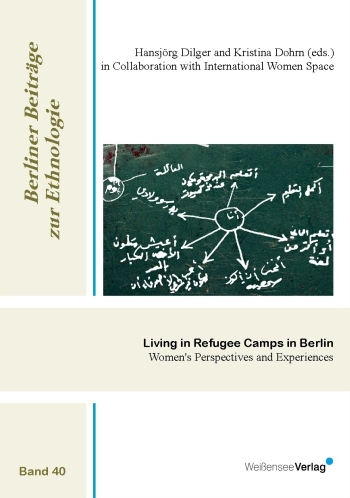
Living in Refugee Camps in Berlin: Women’s Perspectives and Experiences
Polylog Collective / Dilger, Dohrn & IWS (ed.), Weißensee publishing house, 2016
Language: English
Synopsis: In the summer and autumn of 2015, the year that marked the beginning of what later became known as the “refugee crisis”, 1.1 million people came to Germany seeking asylum. A critical examination of the portrayal of refugees in the media and public discourse in Germany reveals that the diversity – and individuality – of these newly arrived people is often reduced to certain stereotypes that go hand in hand with certain privileges and (moral) rights that are granted or denied to them. Furthermore, women* are often absent from these images and discussions, so that their specific experiences, realities, vulnerabilities and needs – not only during their flight, but also after their arrival, while living in refugee camps – are often disregarded. This is all the more critical as, according to the UNHCR, the proportion of refugee women* and children arriving in Greece and seeking asylum in the European Union has risen from an estimated 27% in June 2015 to 55% in January 2016. This book provides insights into the different ways in which women* perceive and experience their living conditions in five different asylum centres in Berlin. In particular, it explores how women* – who have fled from countries such as Syria, Afghanistan, Eritrea and Albania and have different socio-economic, linguistic and educational backgrounds – describe their lives in the camps in terms of health and care, administration and registration, social interactions and support, and security and privacy. The ethnographic research on which this book is based is the result of a collaboration between students and lecturers from the Institute for Social and Cultural Anthropology at the Free University of Berlin and the Berlin-based group International Women’s Space. The book aims to contribute to improving the living conditions of refugee women* in Berlin and at the same time provide a model for anthropological engagement in the face of increasingly complex socio-political challenges.
→ Read the foreword, introduction and epilogue online
→ Read the University of Oxford review online
→ Read the London School of Economics review online
2017 Margherita von Brentano de la Freie Universität (Berlin)
Award for a participatory anthropology research project for outstanding scientific work in the field of gender studies and gender equality.
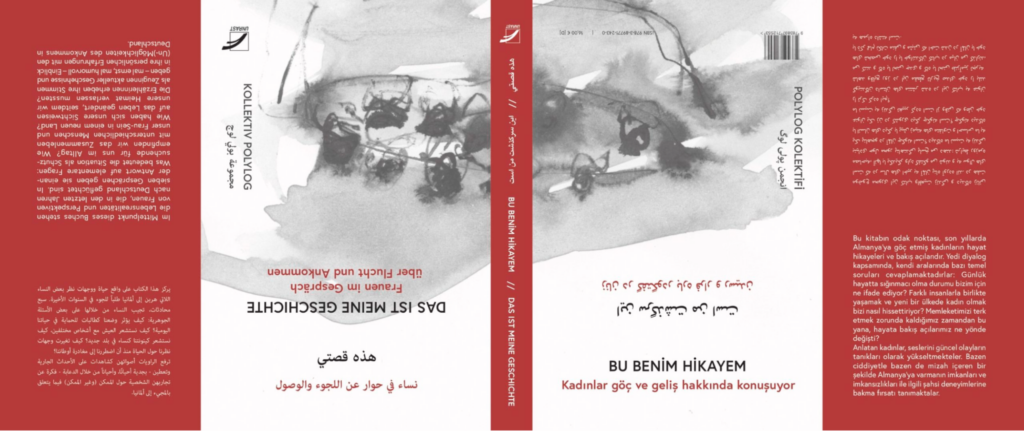
Das ist meine Geschichte – Frauen im Gespräch über Flucht und Ankommen
This is my story – women talking about flight and arrival
Polylog Collective, Unrast publishing house, 2019
Languages: German, Turkish, Arabic, Farsi
Synopsis: Since 2015, the height of the so-called “refugee crisis”, isolationism and the tightening of asylum laws in Germany and the EU have increased massively. Growing right-wing populist movements across Europe are creating a social climate in which physical and verbal attacks on people with a migration background are becoming increasingly commonplace. However, refugees themselves hardly have a voice in the debates taking place in this country – in particular, there is a lack of attention to the perspectives of women as witnesses to current events.
In this book, women who have fled to Germany in recent years demand control over the representation of their realities in the public sphere.
This is my story documents seven conversations in which women talk in their respective native languages and in German about their lives and the (im)possibilities of arriving in Berlin. It deals with fundamental questions: What experiences did we have on our way to Germany as refugees? How do tightening asylum laws or restrictions on family reunification affect our lives here? What makes it easier or more difficult for us to settle into German society? What fears and hopes do we have for the future?
The perspectives from which the narrators recount their experiences give readers insight into very personal experiences of flight and arrival, sometimes serious, sometimes humorous.
→ Read the foreword and introduction online
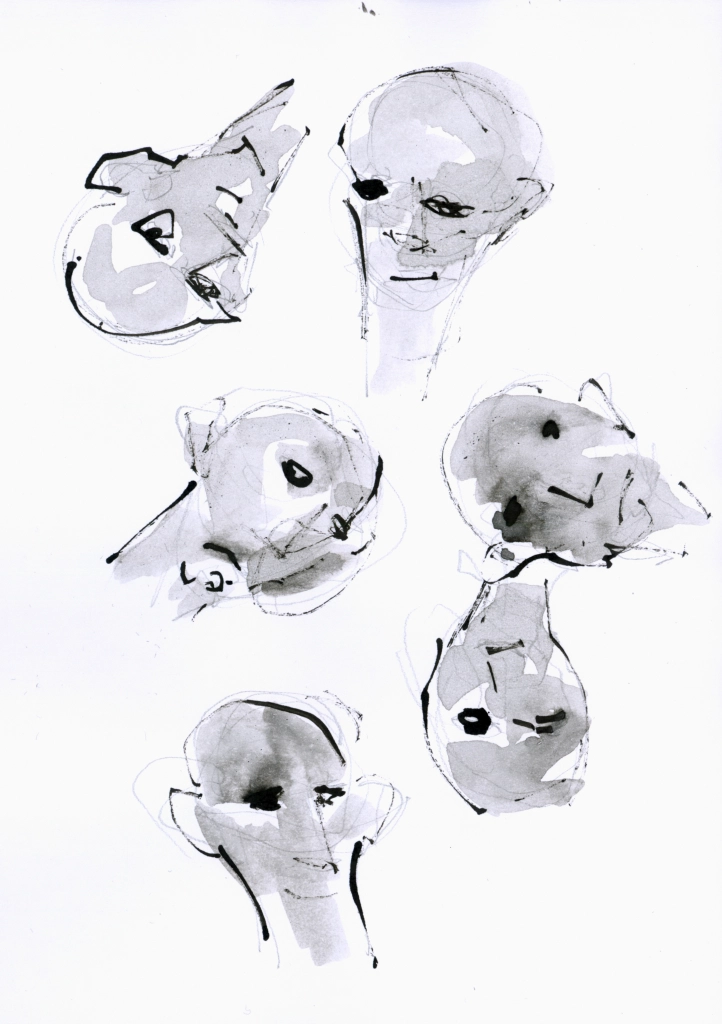
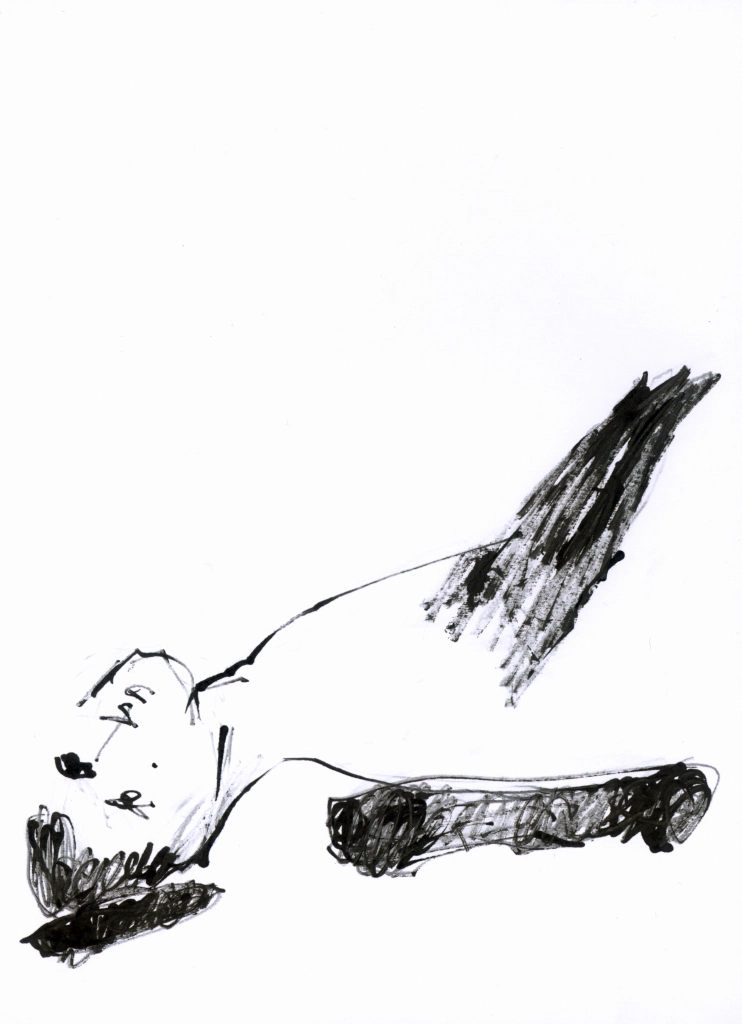
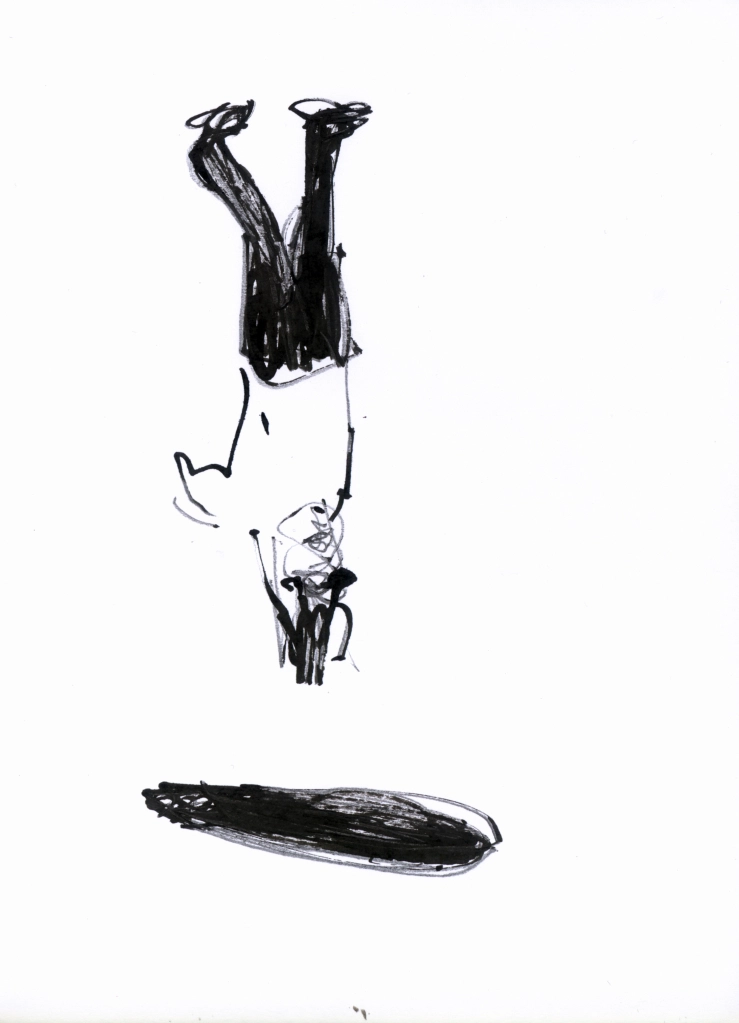
Illustrations: The stories in the book were illustrated by Huda Takriti. Born in Damascus, the artist now lives and works in Vienna. Her most recent works focus on social issues and question the relationship between people, history and the present. The drawings for this book were created spontaneously. They are snapshots of feelings evoked by the accounts of the refugee women – and by which Takriti was guided.